
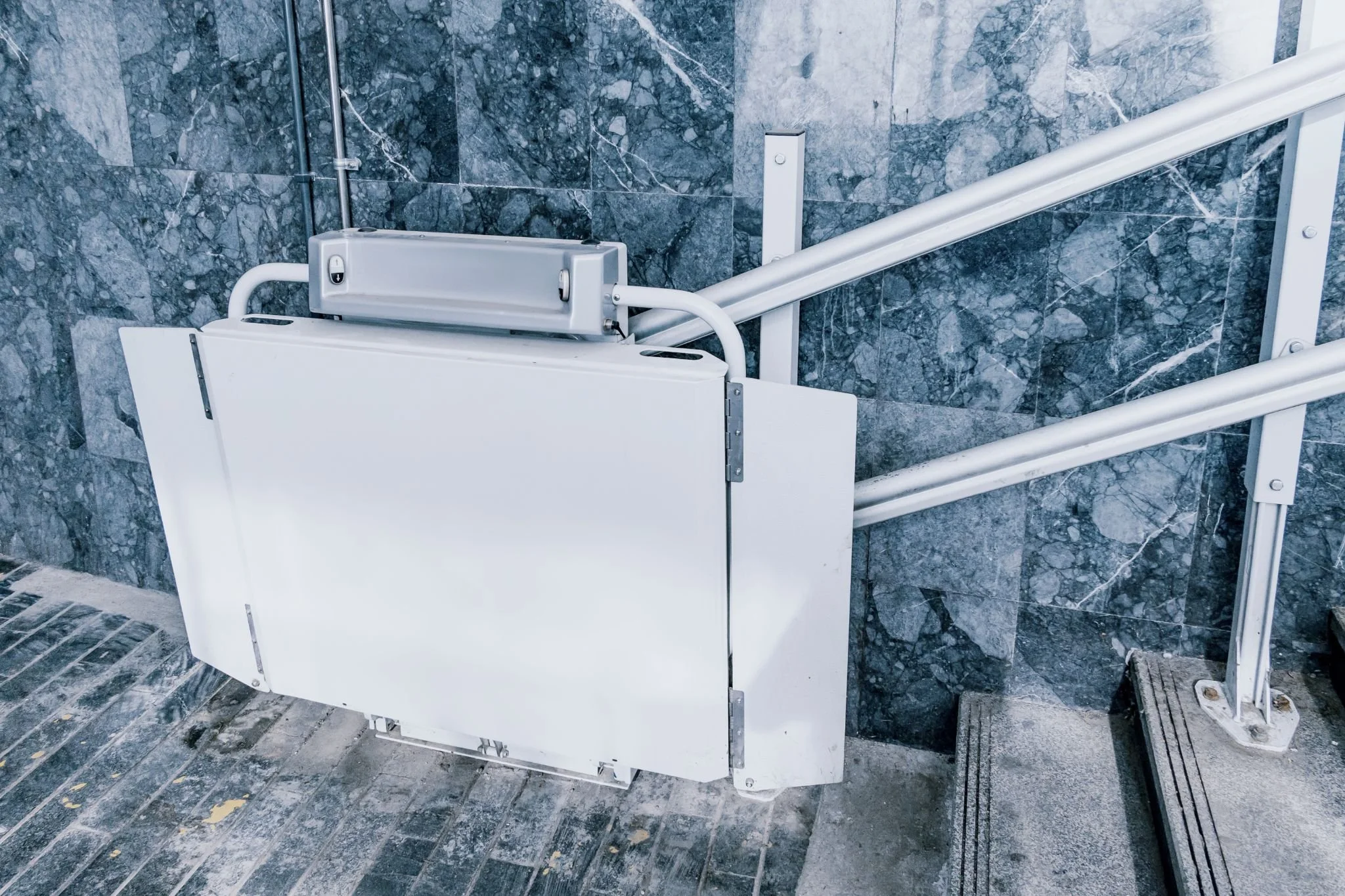
Most residential stairlifts take a few hours to install. The technician checks the staircase before securing a rail to the steps. Next, they'll mount the chair and connect its charging system. After testing the lift, they'll explain the controls and supervise a first ride. Most homes don't need major remodeling.
Preparing for a smooth stairlift installation
A stairlift appointment brings up practical questions about drilling into the stairs and how much noise to expect. You'll also want to know whether your family will have access between floors while the technician works. Understanding the process helps you plan without unnecessary stress.
Whether you've chosen a straight stairlift or curved stairlift, the appointment follows a familiar sequence, from the final fit check to a hands-on demonstration. Here's what to expect from stairlift installation as you make your home easier to use while aging in place.
Table of contents
Preparing for a smooth stairlift installation
What happens before installation begins?
What happens during the appointment?
How installation differs by staircase
Why the final demonstration deserves your time
How will your staircase work afterward?
Mistakes to avoid on installation day
How long does stairlift installation take?
Your installation-day checklist
Frequently asked questions
Get ready with Salt Lake Stairlifts
What happens before installation begins?
Most planning happens before the appointment. During an in-home assessment, the installer measures the stairs and checks the space where you'll enter and exit the chair. They'll also identify a power source and discuss walking room for the household.
These details help determine which of the available stairlift options best fits your staircase and supports comfortable transfers between the chair and each landing.
What happens during the appointment?
1. Prepare the stairs and work area
Remove shoes and other belongings from the steps. Move furniture that crowds either landing, and clear the route from the entrance. Keep pets and children away from the work area.
You may need to avoid the stairs while the technician works. Bring down medication or other essentials from upstairs beforehand.
2. The technician checks the layout
On arrival, the technician confirms the rail position and checks nearby doorways. They'll review the plan before drilling. If they find a loose tread or another obstacle, ask whether the solution will affect the schedule or the quote.
3. The technician secures the rail
For most models, the technician attaches mounting brackets to the stair treads rather than the wall. They'll drill fastening points and secure the rail while checking for proper clearance around the landings. You'll hear some drilling, but the work usually creates little dust and doesn't require remodeling. Carpet generally stays in place.
4. The technician fits the chair and power system
Next, the technician mounts the chair and checks its movement. Many modern stairlifts use rechargeable batteries and a charging system that connects to a household outlet. The installer explains where the chair parks to charge. If the outlet isn't suitable, they'll discuss the next step rather than improvise a connection.
5. The technician tests and demonstrates the lift
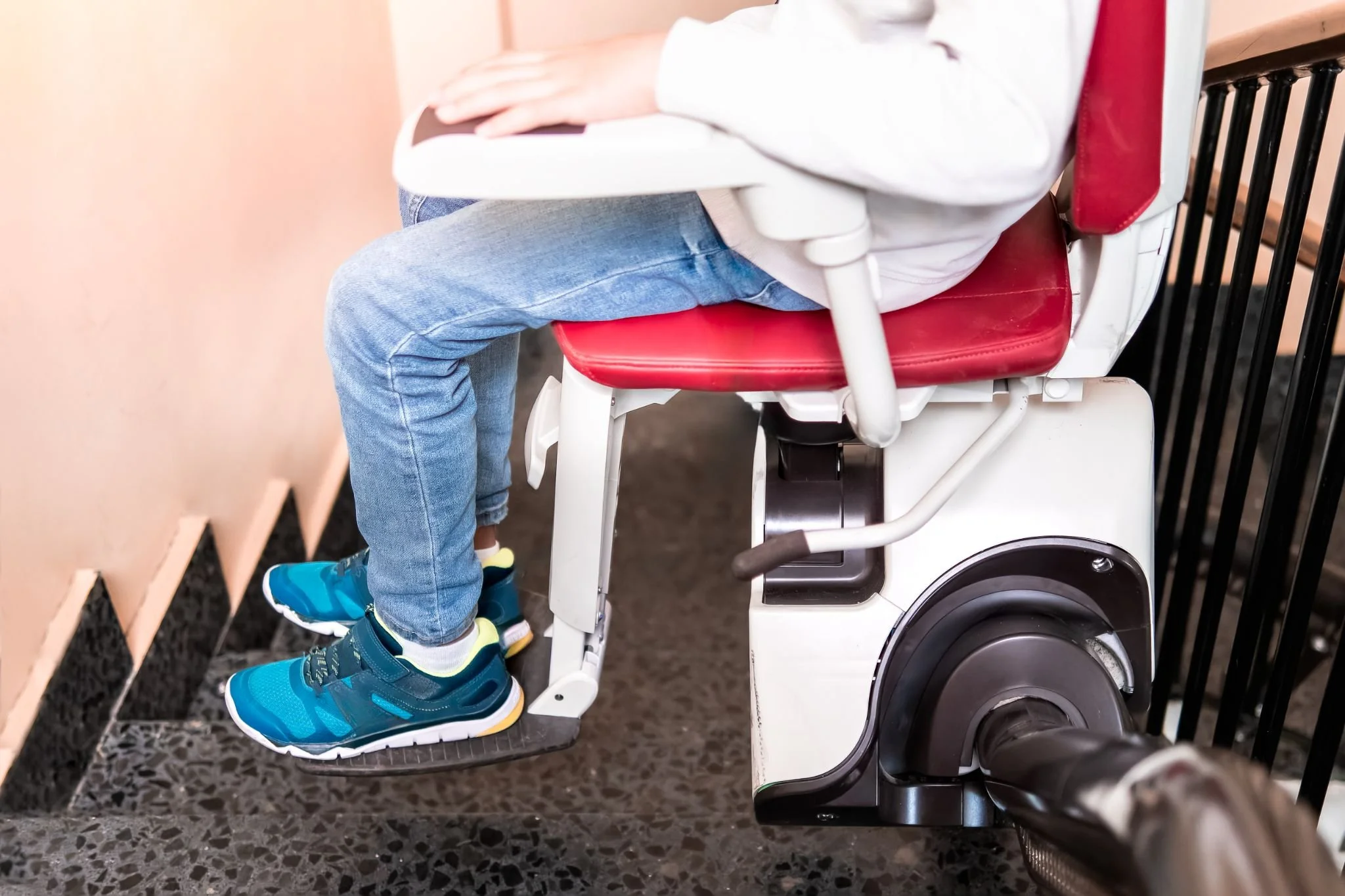
The technician runs the chair along its full route and checks its stops. They'll test the controls and safety features, then show the user how to fasten the seat belt and swivel the seat at the landing.
The demonstration includes a supervised ride. Tell the technician if the controls feel awkward or transferring feels difficult. Ask them to show another family member the call controls, too. Have the technician demonstrate the battery indicator if your model has one. Find out what to do if the chair stops between landings, and keep the manual somewhere easy to reach.
How installation differs by staircase
A straight stairlift travels along one flight of steps. This setup often suits basement stairs or a direct flight between floors.
A curved stairlift follows turns and may cross an intermediate landing. Its rail follows the staircase's shape, so installation requires careful alignment along the entire route. These custom-fit stairlift systems accommodate different staircase layouts and require precise measurements before installation.
Both designs require adequate landing space and a comfortable seated position.
Why the final demonstration deserves your time
The first ride introduces the chair with a professional nearby. Practice operating the controls and stopping at each landing. Check whether the seat swivels into a comfortable exit position.
For families focused on aging in place, the demonstration also helps clarify daily routines. The National Institute on Aging's home-accessibility guidance recommends reviewing household hazards as mobility needs change.
How will your staircase work afterward?
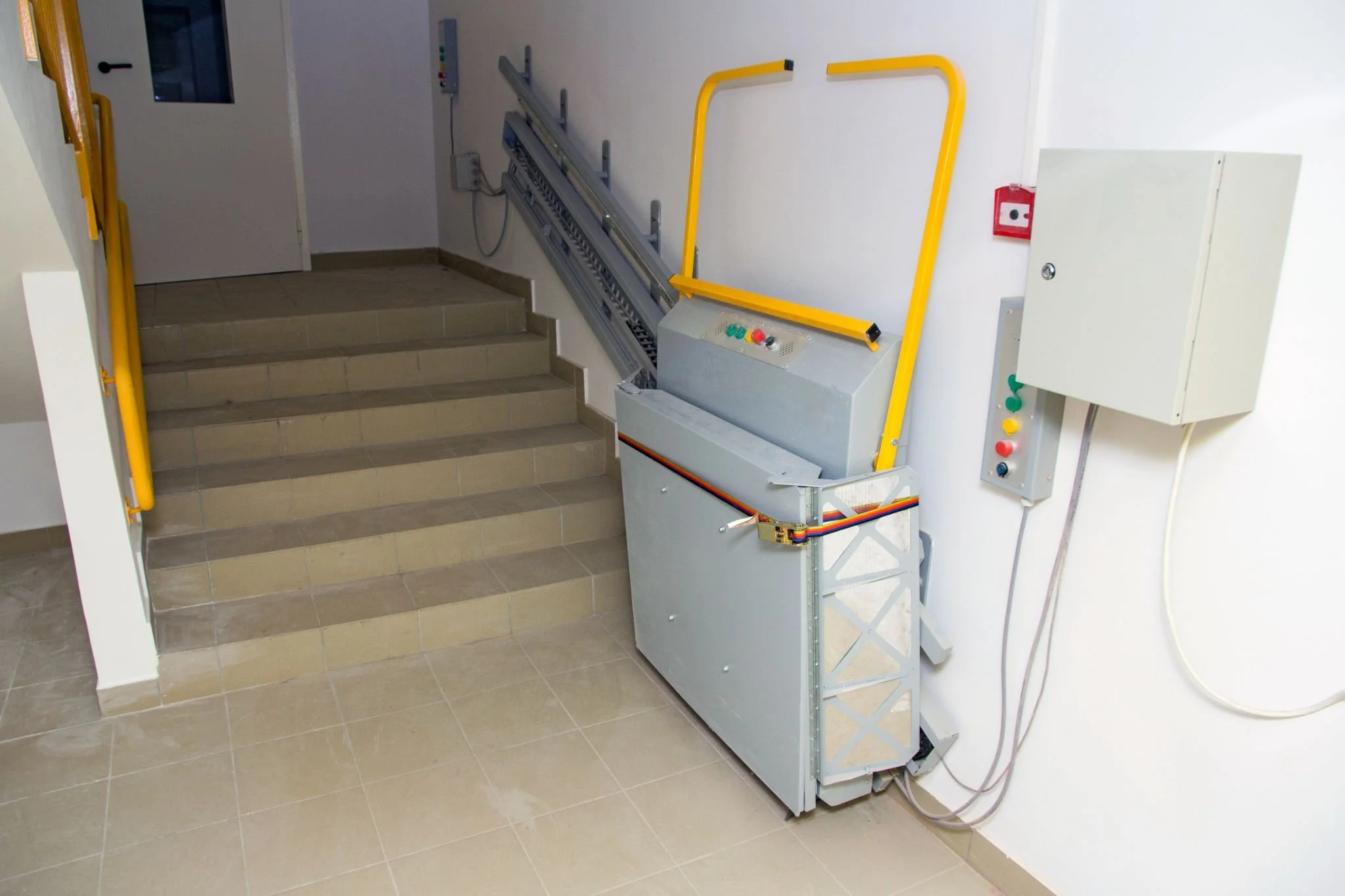
Once the technician finishes, ask them to fold the seat and footrest so you can see how much walking room remains. Look at where the chair parks, particularly if a nearby door opens onto the landing.
The person using the lift also needs a comfortable place to transfer at both ends. If they use a walker, plan where to keep it on each floor. Try walking past the folded chair with the technician present. That quick check helps everyone understand how the stairs will work during an ordinary day.
Mistakes to avoid on installation day
A few small oversights make the appointment less convenient:
Leaving the steps cluttered. Clear the work area before the technician arrives.
Assuming everyone may use the stairs throughout the visit. Ask when the stairway will be temporarily unavailable.
Skipping the practice ride. Arrange for the regular user to attend if possible.
Forgetting about service. Find out whom to call if the lift stops working or needs maintenance.
Stay available for questions and the final handover.
How long does stairlift installation take?
Equipment and staircase layout influence timing. Use these estimates for planning:
Stairlift type
Typical on-site installation time
Straight stairlift
Around 2–4 hours
Curved stairlift
Around 4–8 hours
Manufacturers report different timelines, especially for curved rails. Custom rail manufacturing happens before installation day. Ask your installer for a home-specific estimate.
Stairlift installation checklist
A little preparation helps the appointment go smoothly. Use this checklist to get your home ready and make sure you understand how to use your new stairlift before the technician leaves.
Before installation begins, take a few minutes to prepare your home:
Remove any belongings from the staircase and make sure the technician has enough room to work at both landings.
Check that the technician has easy access to the electrical outlet you discussed during the assessment.
Arrange for the person who'll use the stairlift to be home for the final demonstration so they have time to practice.
Before the technician leaves, make sure you're comfortable using your new stairlift:
Take a practice ride and make sure you feel comfortable getting on and off the chair at each landing.
Ask the technician to explain how the charging system works and what to expect if your home loses power.
Review the recommended maintenance schedule and find out whom to contact if you have questions or need repairs.
FAQ
How long does it take to install a chair lift on stairs?
Most installations take several hours, although custom curved rails may take longer. Your installer will estimate the time after reviewing your staircase.
How wide do stairs need to be for a chair lift?
Required width depends on the model and rider. A technician checks walking space and room for transfers at each landing.
What are the electrical requirements for a stair chair lift?
Many models use rechargeable batteries and a standard outlet. Your installer identifies the charging spot and any electrical work beforehand.
How much does it cost to install a stairlift?
The cost depends on the stairlift model and your staircase's layout. Professional installation typically comes included in the total price. Additional electrical work or staircase modifications may increase the cost, so ask what's included in your quote.
How often does a stairlift need servicing?
Follow the manufacturer's maintenance schedule, which varies by model. Ask your installer whom to contact about unusual noises or movement.
How does a stairlift work?
A motor moves the chair along a rail. The rider uses a control to travel between landings while the seat belt and safety features support operation.
What if my stairlift stops working after installation?
Check the owner's manual for approved charging and obstruction checks. If the problem continues, contact your service provider. Never bypass a safety feature.
Will installing a stairlift damage my stairs?
Installers fasten brackets into the steps, leaving small holes if you remove the rail later. Most homes don't need wall modifications.
Get ready with Salt Lake Stairlifts
Preparation makes installation day easier. Clear the stairs and plan around temporary access restrictions. Before the installer leaves, practice using the lift so you feel comfortable with the routine. If you're planning to install a stairlift as part of aging in place, contact Salt Lake Stairlifts to ask questions or schedule a free in-home assessment.
