
The Ultimate Comparison: Renting vs. Purchasing a Stairlift

Choosing between renting and buying comes down to how long you expect to need a lift, the layout of your home, and what level of support you want after installation. Stairlift rental often makes sense for short-term needs, while purchasing may deliver better long-term value. The right choice should prioritize safety, comfort, and reliable service.
What to know before you rent or buy
If stairs have started to feel like a daily obstacle, you are not alone. Many families reach a point where they need a safer way to move between floors, whether it’s after surgery, during recovery, or as mobility changes over time. The good news is that stairlifts are suitable for a wide range of homes and budgets.
In this guide, you will learn how to compare renting and buying, what costs to watch for, and how service expectations differ. The goal is simple: help you choose confidently, protect your independence, and make the smartest decision for your household.
Table of contents
What to know before you rent or buy
Step-by-step guide to choosing the right option
Cost factors that change your total price
Find the best fit with Salt Lake Stairlifts
What renting and buying really mean
Renting and buying both aim to solve the same problem, but they work differently in practice.
When you rent, you typically pay an upfront amount and an ongoing monthly fee, then return the equipment when you no longer need it. Providers often design rental agreements for temporary situations, like recovery after an injury or a short-term caregiving plan. This is where stairlift rental may feel like the simplest path, especially if you want flexibility.
When you buy, you own the equipment. That usually gives you more options for customization and long-term use, and it may be a better fit for households planning to age in place.
In many cases, there are also service plans that help you stay ahead of wear and tear. Even with strong warranties, stairlift maintenance still matters because routine service helps maintain consistent performance and reduces unexpected downtime.
The best decision usually comes from matching your expected timeline with the total cost of ownership, including service and support.
Step-by-step guide to choosing the right option
Use these steps to make a clear, confident decision without getting lost in sales pitches.
Define your expected timeline
Start with the simplest question: Do you need a solution for weeks, months, or years to come? If the need is likely short-term, renting may be a better fit for your goals.Confirm your staircase type and fit
Straight staircases often offer more flexibility, while curved staircases limit options, as custom rails may be required. A professional evaluation helps you avoid expensive assumptions.Compare total costs
Rental pricing may appear affordable on a month-to-month basis, but upfront fees and removal costs add up. Buying costs more initially, but it may be less expensive over time if you use the lift for years.Review service expectations and response times
Ask how quickly a technician can respond if something goes wrong, and what counts as a repair versus routine service. This is also the right time to ask what the provider expects you to do between checkups.Choose the option that fits daily life
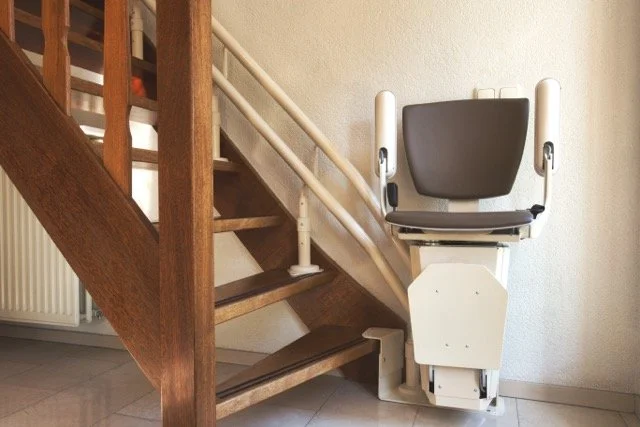
Comfort, ease of use, and confidence matter as much as the price. Make sure controls feel simple, seating feels stable, and the ride feels smooth.
Benefits and long-term value
Both paths improve safety and quality of life, but they deliver value in different ways.
Benefits of renting
Lower upfront commitment for temporary needs
A practical option when you expect a changing living situation
Flexibility to remove the equipment when it is no longer needed
Benefits of buying
Better long-term value when you expect ongoing use
More choices in features and configurations
Ownership that supports consistent day-to-day access over time
When comparing options for stairlift rental, focus on how each choice supports stability in your daily routine, not what appears to be the most cost-effective at first glance.
Common mistakes to avoid
Most frustration comes from a few avoidable missteps. Here are the most common ones to watch for.
Choosing based only on the monthly payment, not the total cost over time
Assuming every staircase is “standard” without getting a professional evaluation
Overlooking removal logistics and timing when planning to rent
Buying without confirming comfort, seat fit, and ease of use
Skipping questions about stairlift maintenance, service response times, and parts availability
Waiting too long to plan, then settling for whatever is available quickly
Avoiding these mistakes protects your budget, reduces stress, and helps you choose a trustworthy provider.
Cost factors that change your total price
Even without exact pricing, you can compare options more accurately by looking at the factors that drive cost.
For rentals, the total cost typically depends on the agreement length, staircase type, and any applicable installation or removal fees. For purchases, the key cost drivers often include the type of stairlift, features, and whether the staircase requires custom work. In both cases, curved staircases increase costs and reduce availability because they often require custom rails.
No matter which option you choose, plan for long-term reliability. Routine service and timely repairs protect performance, reduce unexpected downtime, and help ensure safe operation.
Tools and recommendations
The right tools are not only physical products; they are also mental and emotional. They include checklists, planning steps, and support resources that make decision-making easier.
In-home evaluation to confirm fit, safety needs, and staircase requirements
A written quote that separates equipment, installation, and service terms
A clear service plan outlining what you should do between checkups
A simple care schedule to support stairlift maintenance and reduce downtime
A conversation with your provider about future needs, including weight capacity and comfort features
For the smoothest experience, treat your provider like a long-term partner, not a one-time installer.

FAQs
How do I determine if renting is the right choice for me?
If your need is temporary, renting is a practical option. Think about your expected timeline, whether your living situation may change, and how quickly you need a solution. An in-home evaluation helps confirm fit and sets clear expectations for service and support.
What costs should I ask about before signing anything?
Request the complete cost breakdown, including upfront fees, monthly payments, installation, and removal costs. Also, ask what happens if a repair is needed, how quickly service is available, and whether the agreement includes routine checkups or only emergency repairs.
Can I rent a curved staircase?
It depends on the staircase. Curved setups often require custom rails, which limits availability and affects costs. The most reliable way to find out is through a professional evaluation that measures your staircase and confirms which options are safe.
What should I expect after installation?
Most providers will walk you through controls, safety features, and daily use tips. You should also ask what basic care you can handle at home and how often the provider recommends professional services to maintain consistent performance.
How often should service be scheduled?
Service frequency depends on the model, usage, and environment. Many households benefit from routine checkups that verify safety sensors, batteries, and track condition. Your provider should give you a clear schedule and explain what signs mean it is time to call for support.
Find the best fit with Salt Lake Stairlifts
Renting and buying are both smart choices, as long as the option aligns with your timeline and your needs for a home. Stairlift rental is a practical bridge for short-term needs, while purchasing often delivers better long-term stability. When comparing stairlifts, schedule an in-home evaluation, review written pricing, and clarify your service expectations.
Need help choosing the right fit? Contact Salt Lake Stairlifts to talk through your staircase, your goals, and the safest next step.
